Opening Friday 7 February 2014, 6-9pm
8 February – 24 March 2014

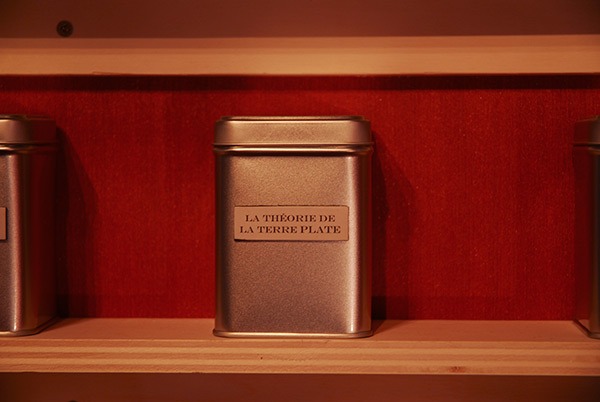
Prédire l’avenir des noms n’est pas pour toujours. Nous sommes de l’actualité, percée à jouir de tous cotés. Une différence et un diffèrent se jettent dans la tête pour mieux imprimer la bouche. Ils nous placent dans la perspective comme on mange dans une cuisine : un passant le devant de l’autre par ordre et propreté. L’Europe est un grand meuble. Elle revient du centre et des salopards de minimalistes.
Tout est tenu par la laisse. La loi voyage plus vite que la lumière et sont dans ses bagages confortablement étouffés au chaud.
Bienvenue dans la maison appelée réalité. La perspective est un organe dans la fonction. Et vaniteux en plus. Chaque objet glisse sur la route de l’univers, pour le bon plaisir de rincer les cieux, (Dieu parle de haut en bas et de gauche a droite) et de laver son nom. Avant la glace et les pierres tombales le vivant vivifiant était presque partout écouté et peut-être même lu par le réel. Comme ça:
«je suis de face à face, et quand j’ouvre mon trou dans ta tête ce n’est jamais oublié la partie remise, la beauté avant le tout pour le tout! Je cache mes sentiments sous la peau et c’est bien ou pas. C’est un accord de sophistication et d’experts de la nation, du roi et de la jungle. Mains après demain ils touchent ton nerf et puis ils touchent à tout.» 14.000 desseins se rapprochent. Tous foutent le camp : tu leur donnes un doigt ils prennent tes clés de lecture.
Ensuite tu ouvres sa poche où est déplié un grand papier noir qui dit :
A mange B
BB mange maman
les grosses bêtes mangent les petites
la mer mange les poissons
ma chaussette mange mon pied
le building mange les gens
le prof mange les élèves
les ongles mangent les doigts
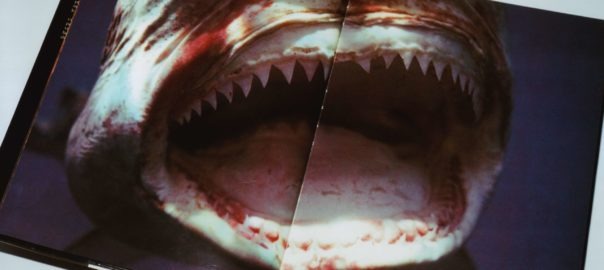
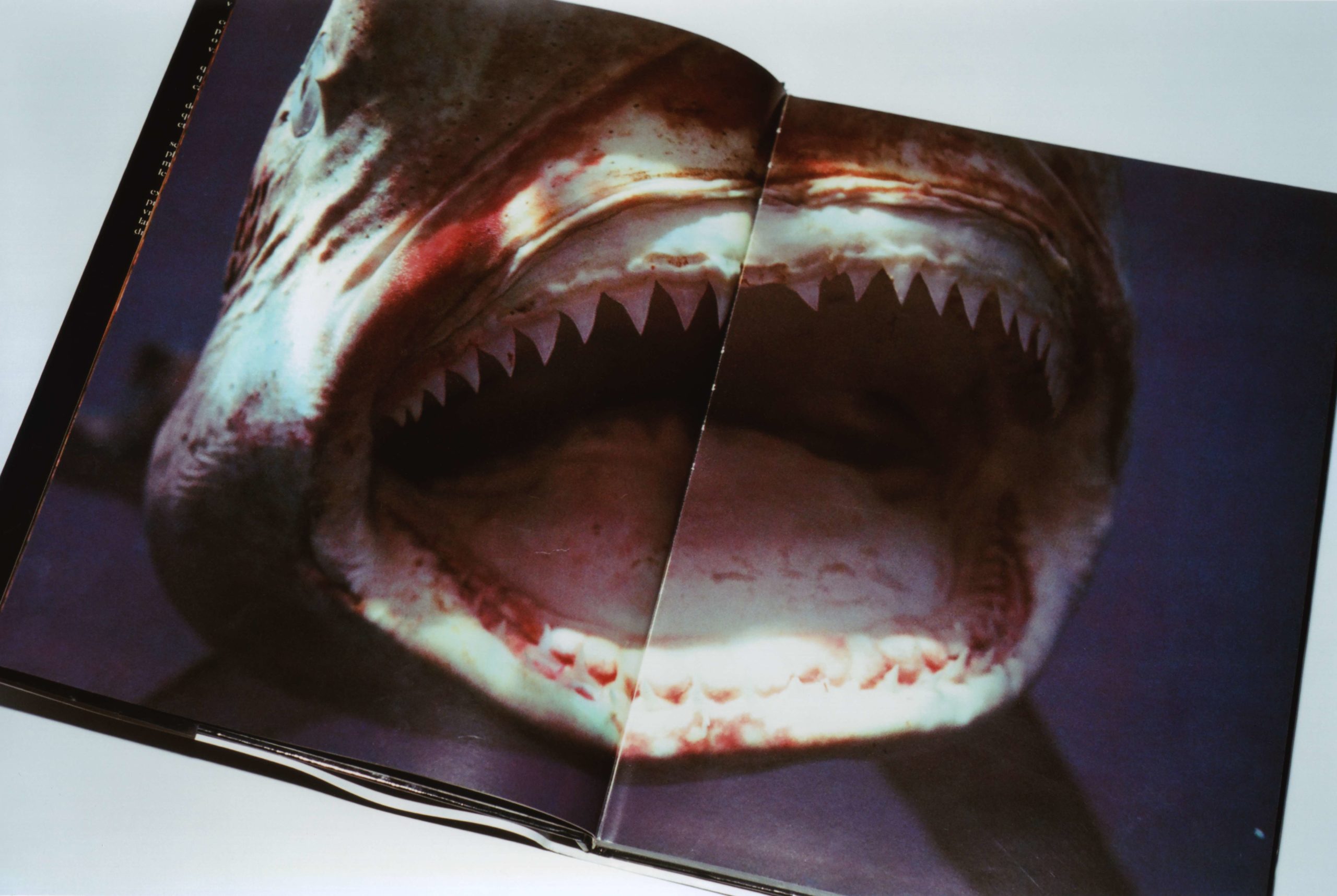
les dents mangent la bouche
Plusieurs des lettres et mots sont arrachés à la tire d’un livre à l’autre, dans la bouche parfois. Ou peut-être pas.
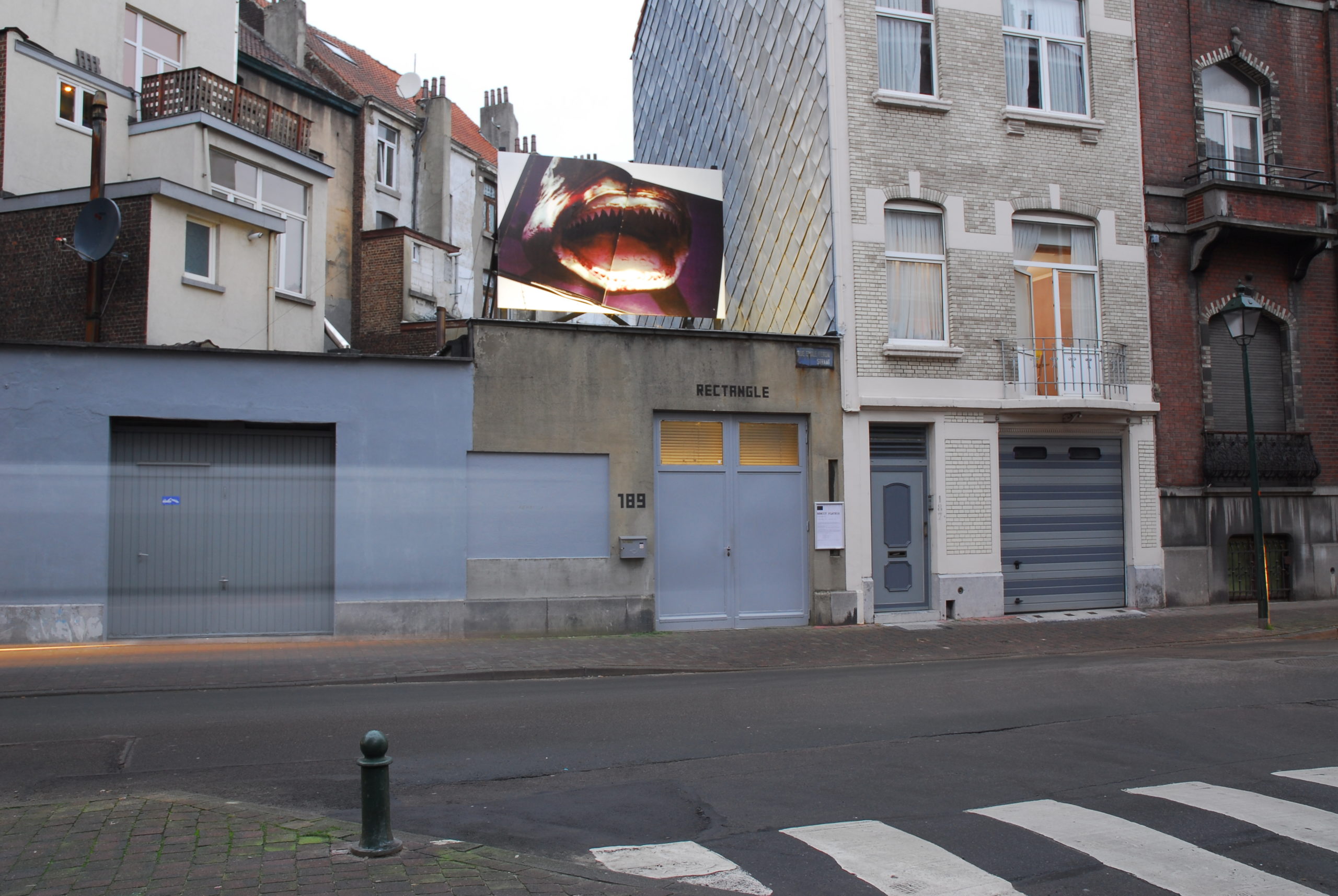
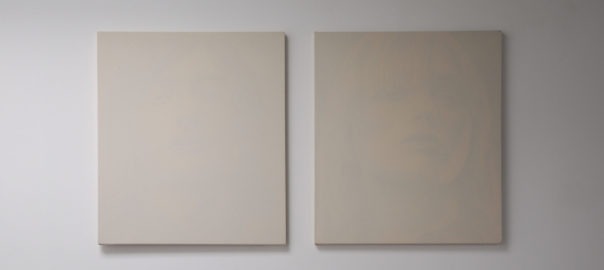
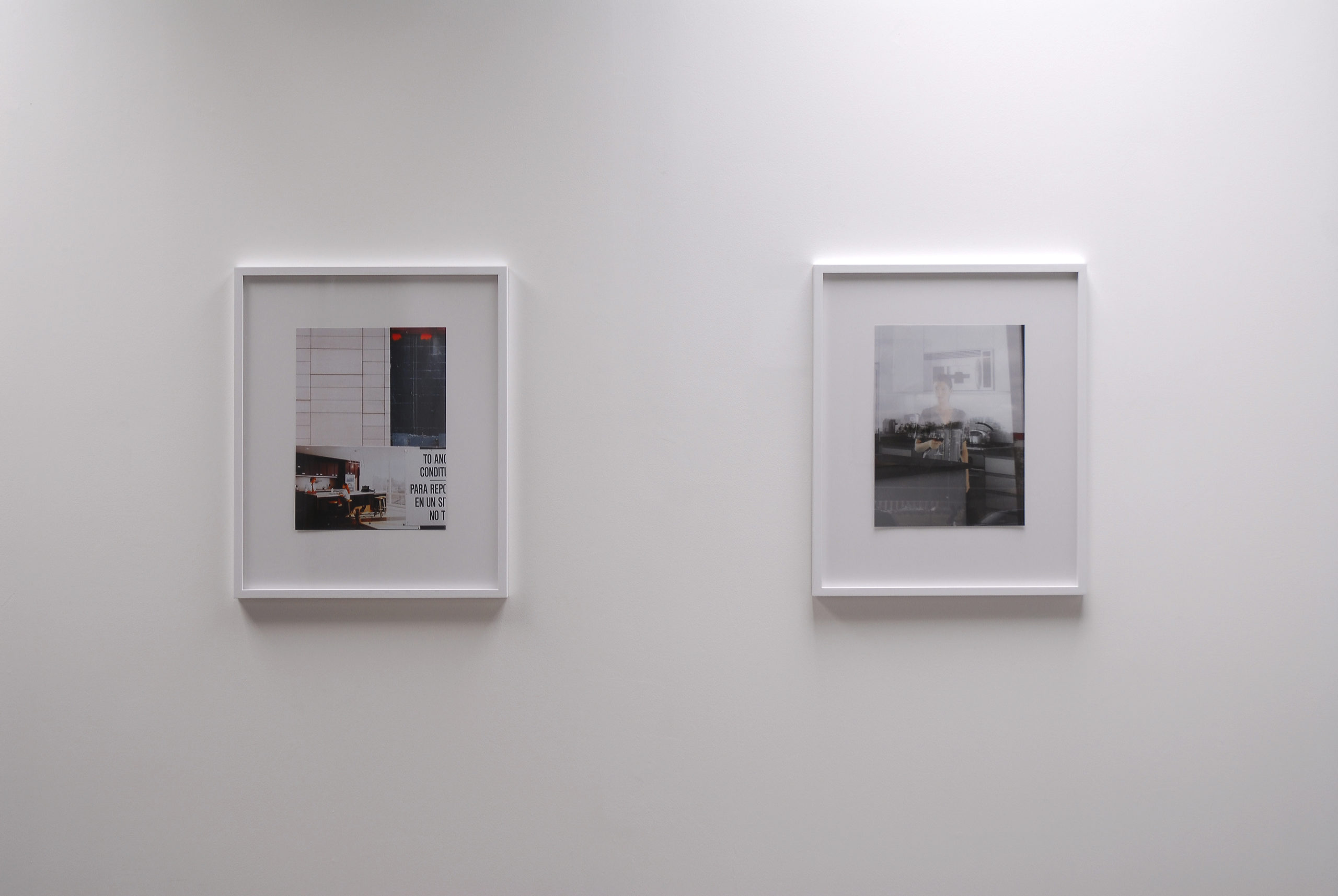
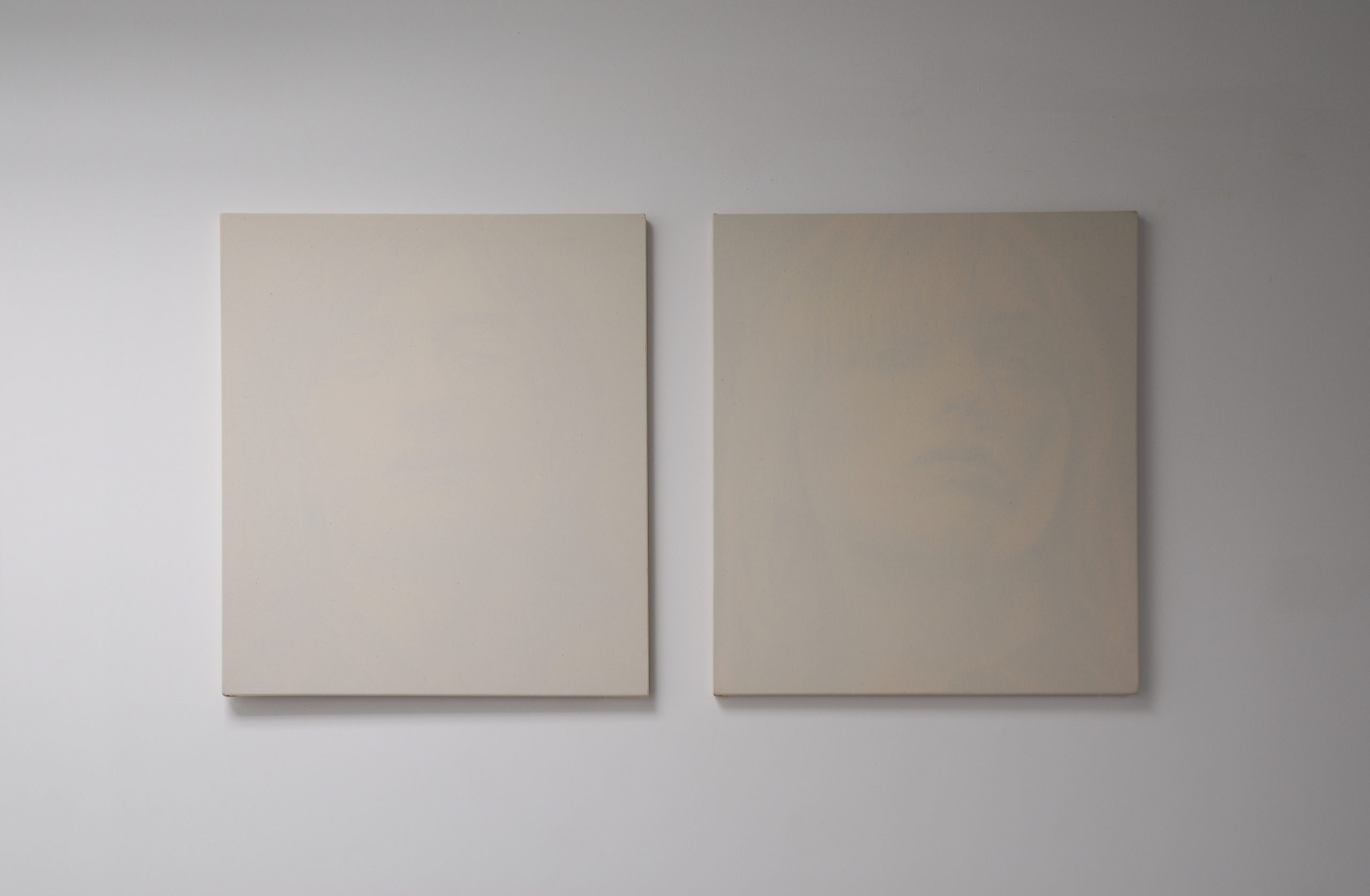
Plateus proceeds(…)with dashes of infatuation . The artist appropriates images he has found in books, pictures or materials (Kodak Flexicolor) whose quality he claims has never been exploited and that he attempts to reveal through various processes. It means, as he insists, attacking their potentialities, gnawing at them, crumbling them, in short, “scanning them through a very special prism”. (…) Plateus re-contextualises those pictures in two different manners, extracting them from their original context and subjecting them to copying and enlarging processes. Simultaneously, Plateus develops a new code, bringing them back to their origins, revealing their primal materiality without blurring their potential as an image.
Maïté Vissault
Translated from M.V. – extracts from Prismes, published in L’Art M ême, n°56.
« Platéus procède (…) par coups de foudre. Il s’approprie des images trouvées dans des livres, des images ou des matériaux (KodakFelxicolor) dont la qualité est, selon lui, inexploitée et qu’il s’emploie par différents processus de transformation à révéler. Il s’agit, comme il l’affirme, d’attaquer leur potentiel, de les ronger, de les émietter, bref, de les lire “à travers un prisme très particulier”. (…) Il décontextualise ces images à double titre, en les arrachant au contenu dont elles sont issues et en leur faisant subir un processus de copie et d’agrandissement. Mais, en même temps, en procédant à un nouveau mode de lecture, il les recontextualise, car sans effacer leur potentiel d’images, il révèle leur matérialité primaire. (…) »
Maïté Vissault
Extraits de Prismes publié dans L’Art Même, n°56, 3e trimestre 2012.
Benoit Platéus
Born 1972 in Liège, Belgium.
Lives and works in Brussels.
PRESS RELEASE
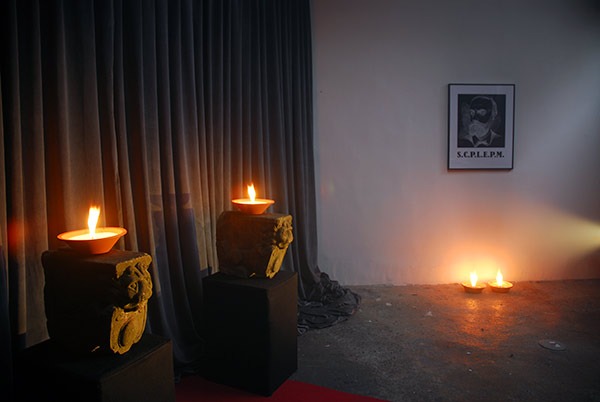
Société Civile pour l’enterrement de pensées mortes is Pablo Helguera’s first solo exhibition in Belgium. Presented at Rectangle, Brussels, this project pays homage to the history of Belgian civil societies of free thought. Period preceding the first World (1854-1914) war. On the eve of the First World War, there were no fewer than 250 rationalist societies scattered throughout the country, including nearly 25,000 members.
The Belgian rationalists, or freethinkers, exerted a considerable influence on left-leaning parties (liberals and socialists) during the first decades of the XXth Century. Freethinkers essentially campaigned on behalf of the autonomy of human consciousness and toward a secularization of the state and of civil society, including schools and hospitals. Freethinkers sometimes went so far as to replace the rituals of the Church, creating a new secular “sacred”. This spirit was implemented most practically in their civil funerals, which promoted incineration and offered a resting place for individuals outside of organized religion.
The project consisted in the creation of a social network inspired in the ideas and rituals of free thinkers, but instead focusing on burying and warding the vestiges of thought of ideologies, scientific theories and philosophies that could be deemed superseded, questionable or failed. A special crypt contained a number of urns guarding the ashes of these ideas and were only accessible to those who accept to join the society, taking responsibility to become collective guardians of the ashes of one of the dead ideas. The project included a publication inspired on the XIXth century Belgian rationalist newspaper La Libre Pensée, which was available only on printed form and for the exclusive use of those who agreed to join the society.
COMMUNIQUE DE PRESSE
Société Civile pour l’enterrement de pensées mortes est la première exposition personnelle de Pablo Helguera en Belgique. Présenté à Rectangle, Bruxelles, ce projet rend hommage à l’histoire des sociétés de libre pensée en Belgique sur la période précédant la première guerre mondiale (1854-1914). A l’aube de la guerre, on pouvait recenser près de 250 sociétés rationalistes disséminées dans tout le pays, comptant environ 25 000 membres.
Les Libres-penseurs belges ont exercé une influence considérable sur les partis progressistes (libéraux et socialistes), ont participé à la résistance et apporté un soutien à la population durant la première guerre mondiale. Ils ont essentiellement fait campagne en faveur de l’autonomie de la conscience humaine, vers une sécularisation de l’Etat et de la société civile, y compris la laïcisation des écoles et des hôpitaux. Les Libres-penseurs sont allés jusqu’à remplacer les rituels de l’Église par de nouvelles pratiques laïques “sacrées”, cet esprit se retrouve plus pratiquement dans la « fête de la jeunesse », dans les funérailles civiles par l’incinération, et offre ainsi une alternative aux personnes non croyantes.
Pablo Helguera
Born 1971 in Mexico. Lives and works in New York.
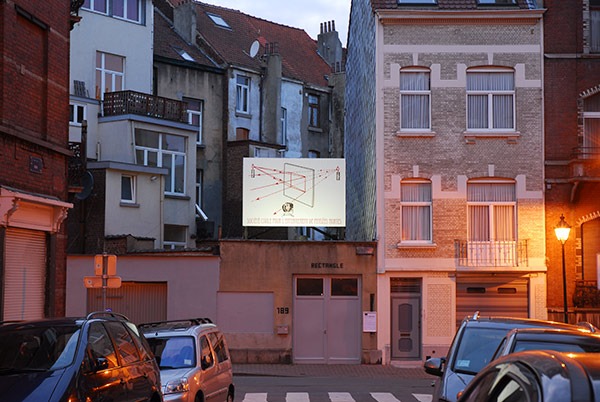
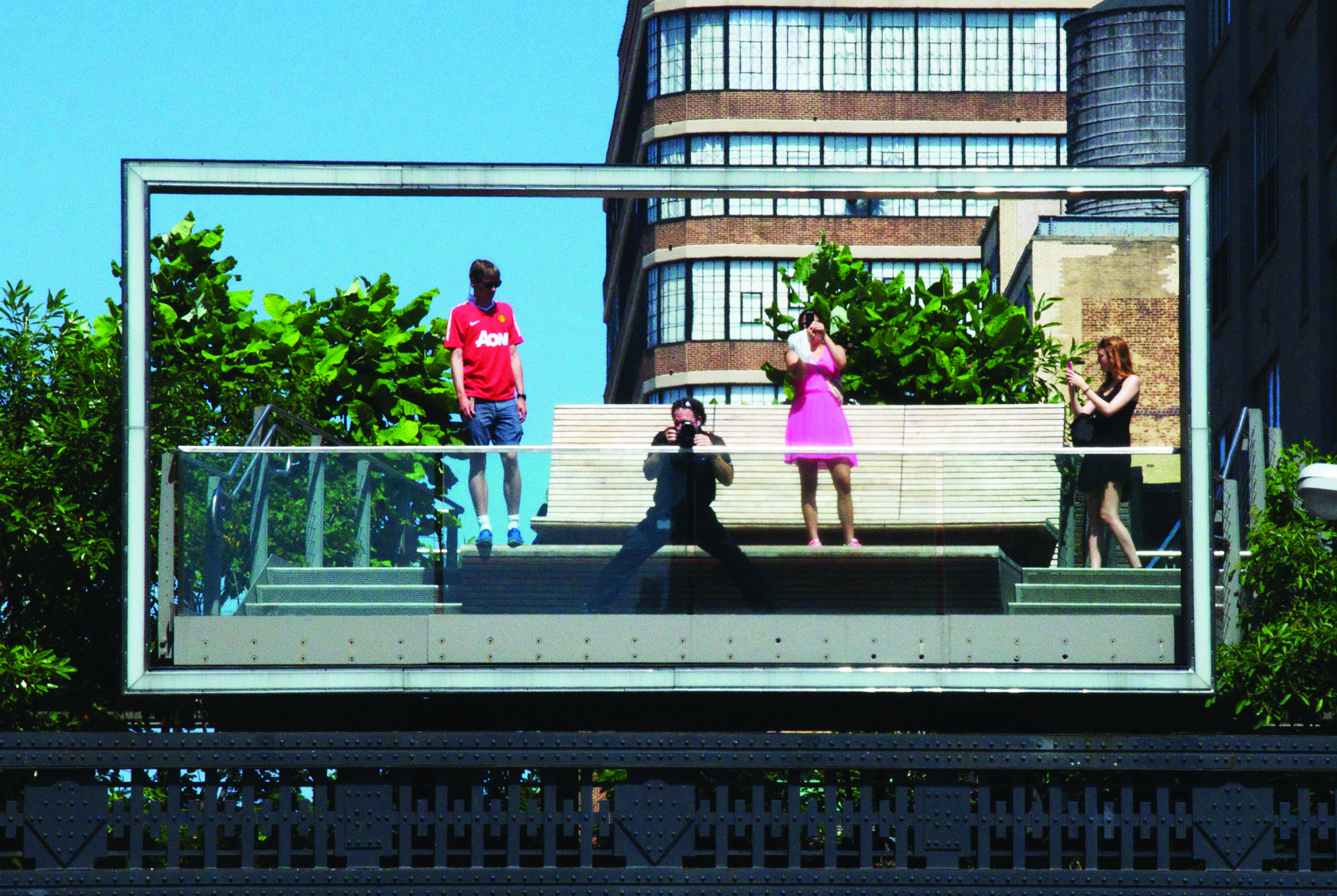
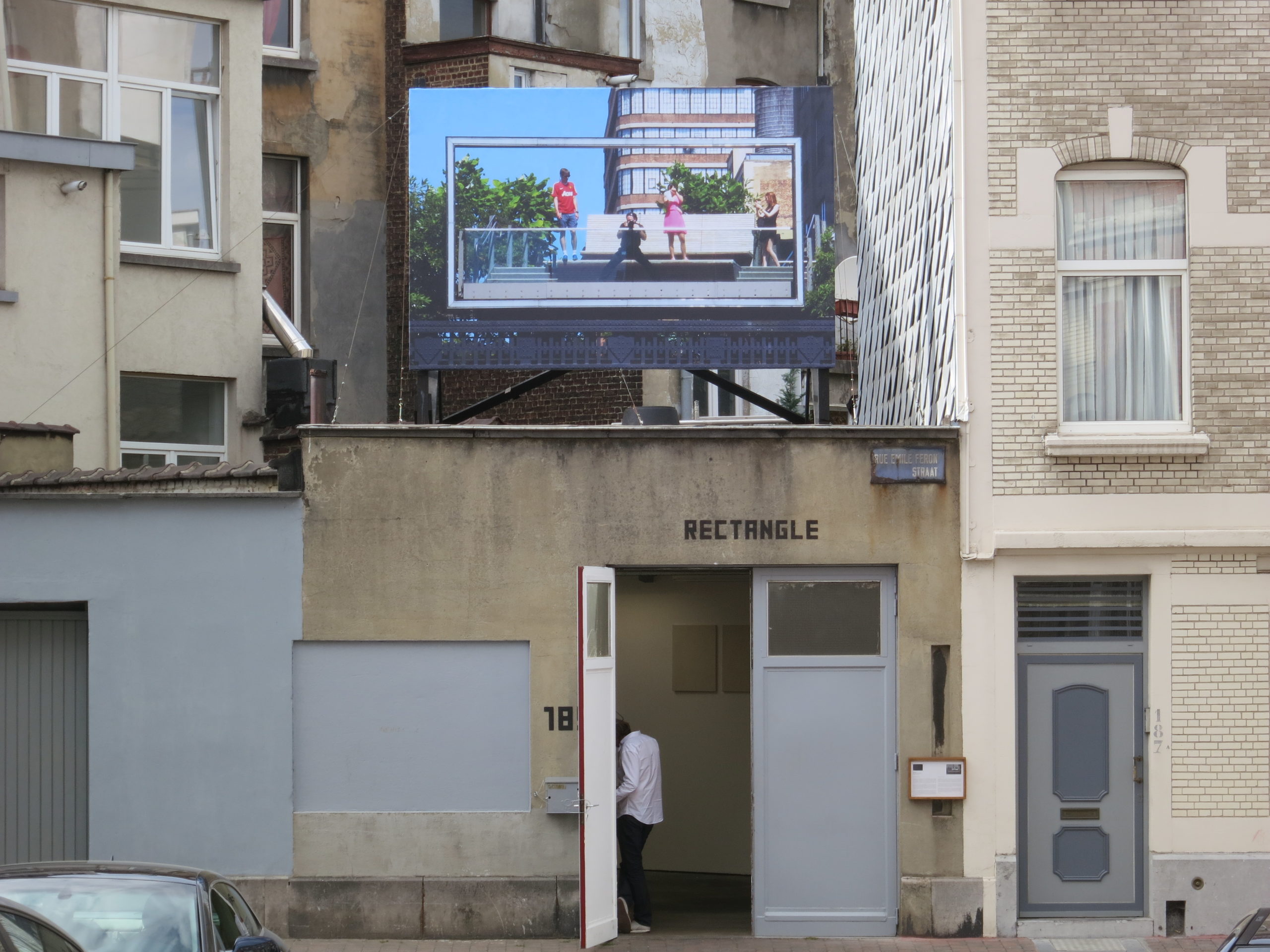
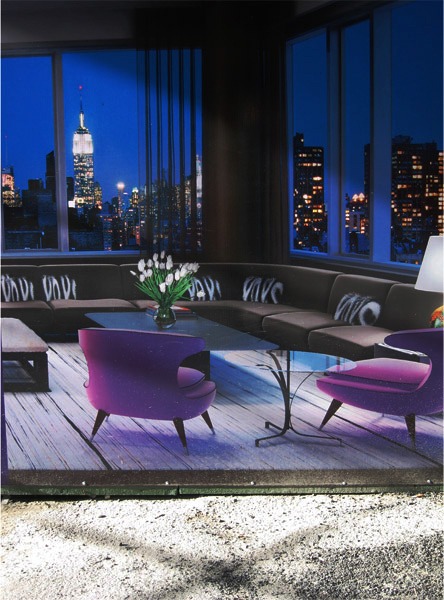
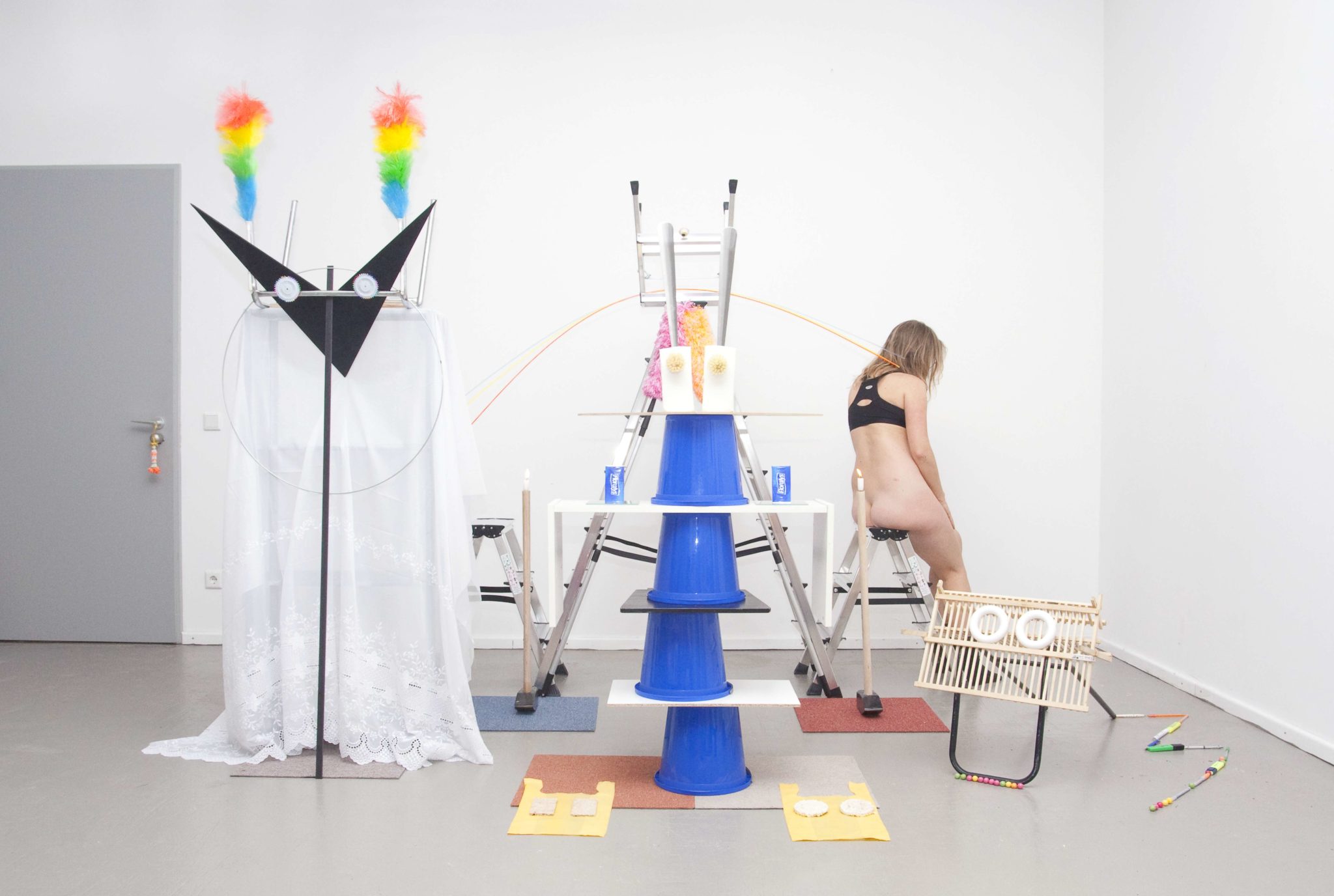
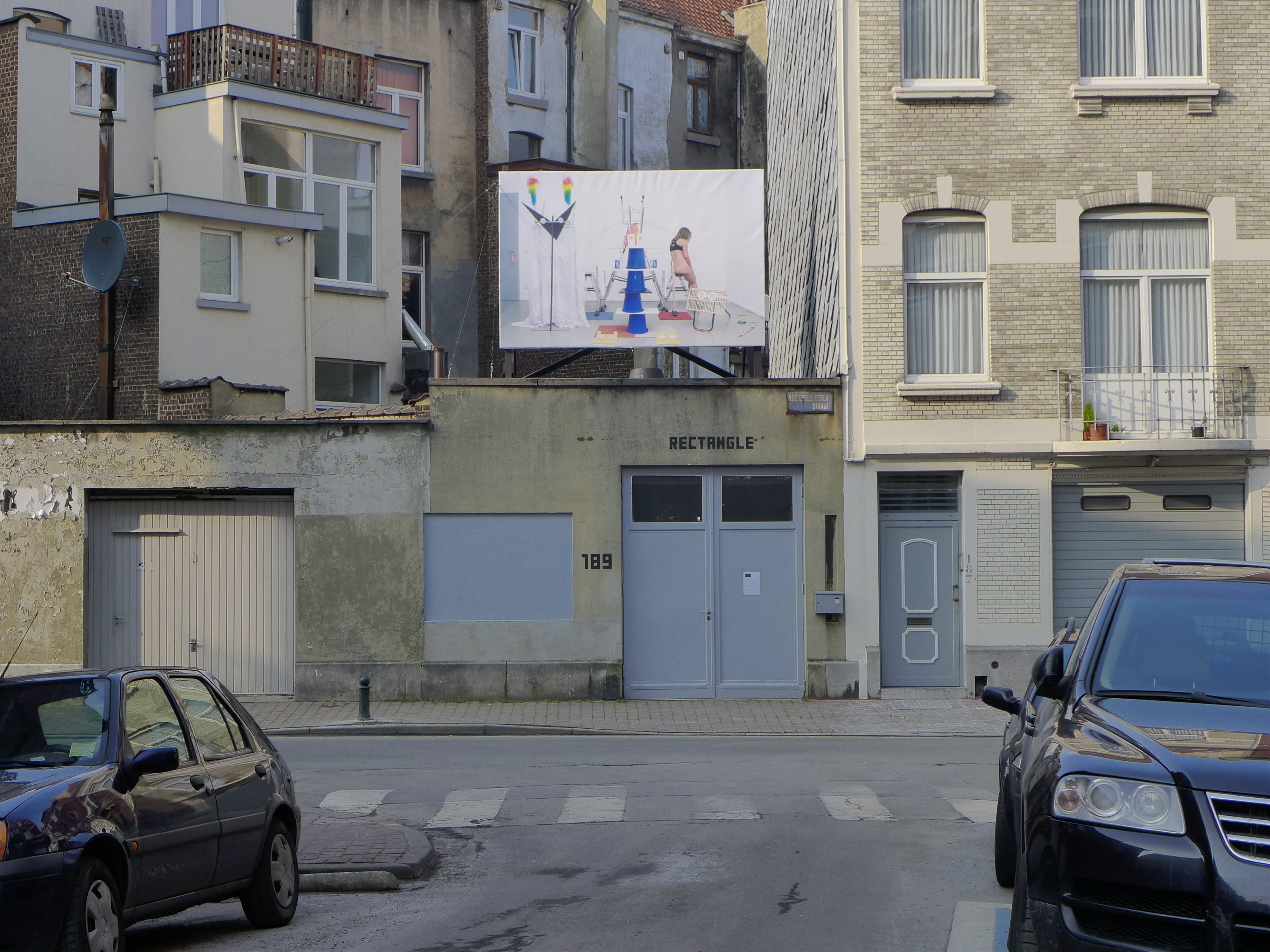
Suspended above the city and seen within a picture-like frame, the figures in the image on Rectangle’s roof inhabit a “living billboard.” Photographed across from the High Line park located in the Chelsea district on Manhattan’s west side, they are actors in the gradual reshaping of many urban areas from one of active participation to one of display. Watching as they are being watched, they are not, as in Hitchcock’s “Rear Window,” the subjects of an anonymous urban gaze, but are appropriated in their role as walking advertisements promoting the leisure city.
Situated in an area of rapid luxury development, the High Line park makes use of an abandoned elevated railway, which brought manufactured goods and produce to what was once a factory and warehouse district. Capitalizing on the industrial chic
of an abandoned 19th a century iron structure, the elevated railway was recently reconstituted for recreational use by the renowned architectural team Diller and Scofido, attracting developers who saw enormous potential in an urban beautification project as a site for luxury condos and hotels.
Facilitating what is essentially a wall of tourists which demarcate the exclusive gallery district from the housing projects of the “old city” across 10th Avenue, the High Line features “viewing areas” which employ the aesthetic sophistication of the site-specific pavilions of Dan Graham, an artist from whom the architects have liberally borrowed. Offering the visitor/viewer the chance to experience themselves as both seeing and being seen, the increasing self-consciousness of the “new city” is exemplified by the transformation of a quiet stroll in the park into an urban spectacle of high-end design and public display.
La “ville où il fait bon vivre” est un concept qui s’est répandu dans le monde industrialisé durant la dernière décennie. Il a été adopté par les municipalités les unes après les autres, modifiant ainsi bon nombre d’aspects uniques de la vie urbaine par le développement d’une homogénéité socio-économique auparavant associée aux banlieues. De la même manière que New York s’est débarrassée des rues sordides de Taxi Driver pour celles de Sex and the City, les caractéristiques physiques de la ville ont connu un changement spectaculaire. Bien peu de gens sont nostalgiques des “bad old days”, synonymes d’insécurité et de décrépitude économique ; l’envie de cohabiter avec le nouveau visage de la ville associé au loisir, au luxe et au tourisme a transformé de nombreux quartiers, les faisant ressembler à des décors de théâtre pour des pièces qui représentent continuellement l’urban chic.
Comme toute ville a son identité, tout citadin est soumis aux images projetées par le lieu qu’il habite. En s’insinuant dans l’esprit des habitants concentrés dans les centres urbains, la culture publicitaire porte atteinte aux distinctions entre image et structure, privé et public alors que derrière les rideaux de verre des nouveaux bâtiments résidentiels, les habitants deviennent les publicités vivantes pour les nouvelles tendances en culture urbaine. En employant les principes du libéralisme de marché, sans aucun contexte particulier, les investisseurs d’où qu’ils viennent sont invités à développer des habitations modernes et urbaines revendant l’aspect branché de n’importe quelle ville à elle-même. En se concentrant sur la relation inséparable entre l’identité et le lieu, l’exposition de Peter Scott, “Here comes your neighborhood”, examine comment les deux se chevauchent et s’influencent mutuellement dans la création, la promotion et la production de la vie urbaine contemporaine.
Peter Scott est un artiste, écrivain, commissaire d’expositions et directeur de la non-profit gallery, Carriage Trade. Ses projets de 2012/2013 incluent des expositions personnelles à Sometimes (oeuvres d’art), 3A Gallery, et Martos Gallery à New York, Rectangle à Bruxelles et des expositions de groupes à la galerie Marianne Boesky à New York et à la galerie Sophie Scheidecker à Paris.
Het concept van de “leefbare stad” heeft de afgelopen decennium stevig voet aan grond gekregen in de geïndustrialiseerde wereld. De ene stad na de andere implementeert het begrip. Dat brengt echter heel wat verandering aan de unieke aspecten van het stedelijke leven met zich mee. Zoals het creëren van een sociale en economische homogeniteit die tot voor kort eerder geassocieerd werd met buitenwijken dan met de stad. Nadat New York de grimmige straten van “Taxi Driver” verruilde voor de comedyseries à la “Sex and the City”, hebben de fysieke kenmerken van de metropool dramatische veranderingen ondergaan. Hoewel een minderheid heimwee heeft naar de “slechte oude tijd” van het economische verval en de onveilige straten, heeft de drang om de stad te associëren met ontspanning, luxe en toerisme de wijken omgevormd tot een toneeldecor. Een decor dat een eindeloze urban chic uitstraalt en de nieuwe aanblik van de stad vormt.
Zoals elke stad zijn identiteit heeft, zo absorbeert elke stadsbewoner de indrukken geprojecteerd door de plaats waar ze leven. Helemaal opgeslorpt in de populatie van de stad, vervlakt de reclamecultuur het onderscheid tussen beeld en structuur en privé en publiek. Zo verworden de bewoners van nieuwe woongebouwen achter hun glazen gordijnen levende reclame voor de nieuwste trends in de ‘lifestyle’ cultuur. Gebruikmakend van de principes van de vrije markt, worden investeerders van over de hele wereld uitgenodigd om moderne, stedelijke woningen te ontwerpen. Hippe woningen die meteen ook de hippe aantrekkingskracht van de stad verkopen. Met de focus op de onlosmakelijke relatie tussen identiteit en plaats, onderzoekt Peter Scotts tentoonstelling ”Here Comes Your Neighborhood” de wijze waarop die twee raakpunten elkaar overlappen en elkaar beïnvloeden in het creëren, het bevorderen en de realisatie van het hedendaagse stedelijke leven.
Peter Scott is kunstenaar, schrijver, curator en directeur van de non-profitgalerij Carriage Trade. Zijn werk werd onlangs tentoongesteld bij Marianne Boesky Gallery, Sometimes (works of art), 3A Gallery, Martos Gallery in New York en Galerie Sophie Scheidecker in Parijs.
Peter Scott
Born 1960 in the United States.
Lives and works in New York.
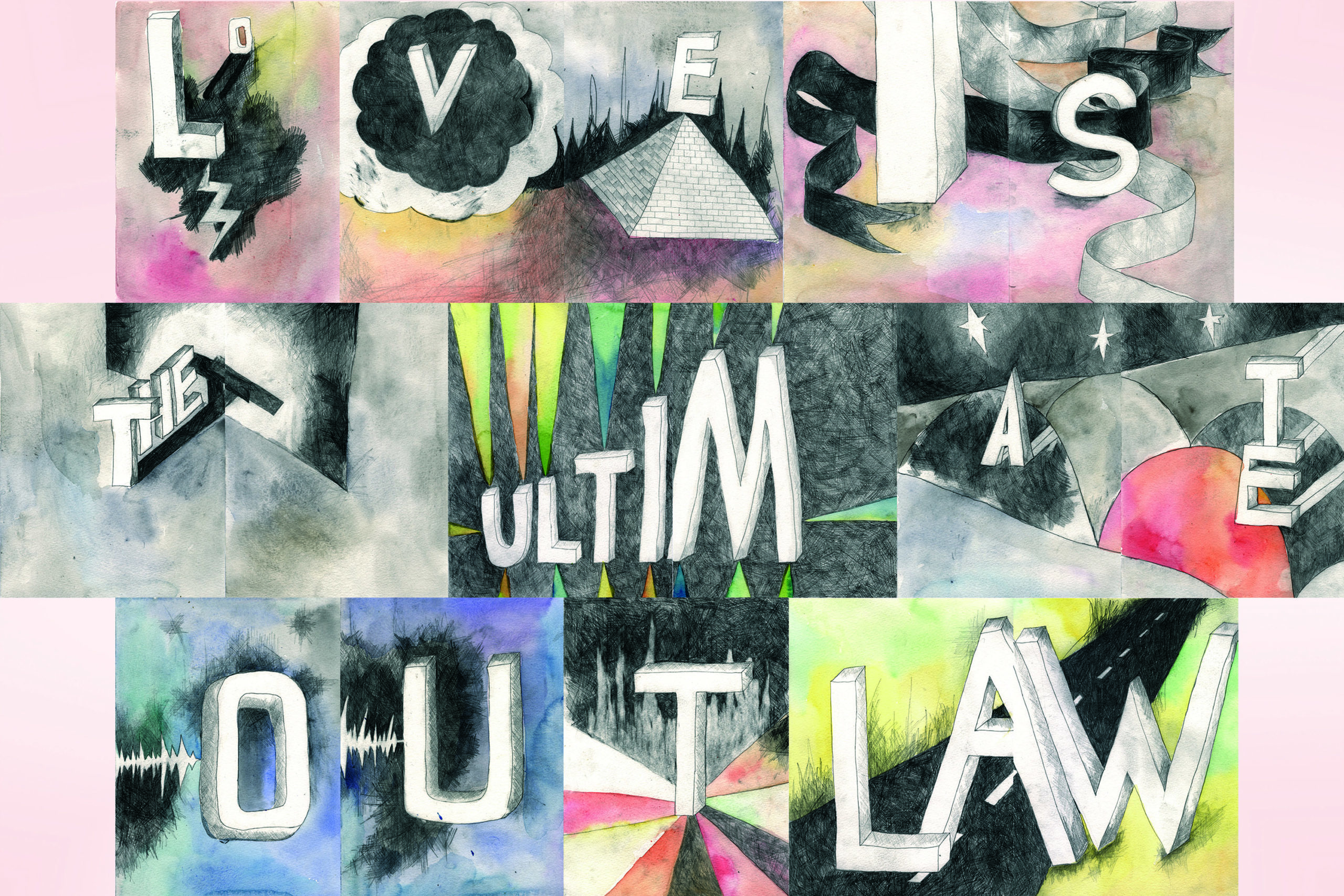
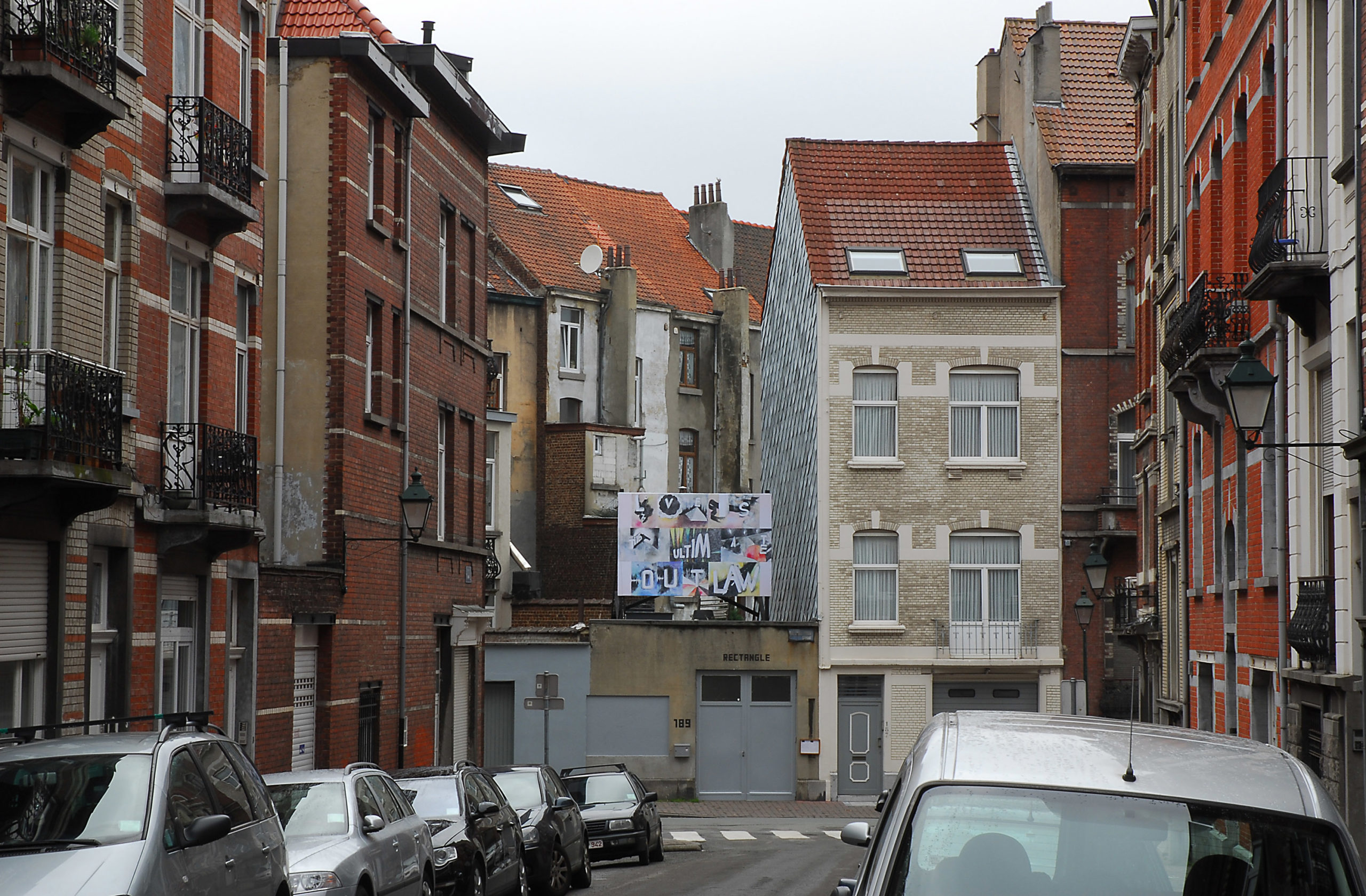
Love is The Ultimate Outlaw is inspired by Tom Robbins’ book, Still Life With Woodpecker. Tom Robbin wrote,
“Love is the ultimate outlaw. It just won’t adhere to any rules. The most any of us can do is to sign on as its accomplice. Instead of vowing to honor and obey, maybe we should swear to aid and abet. That would mean security is out of the question. The words “make” and “stay” become inappropriate. My love for you has no strings attached. I love you for free.”
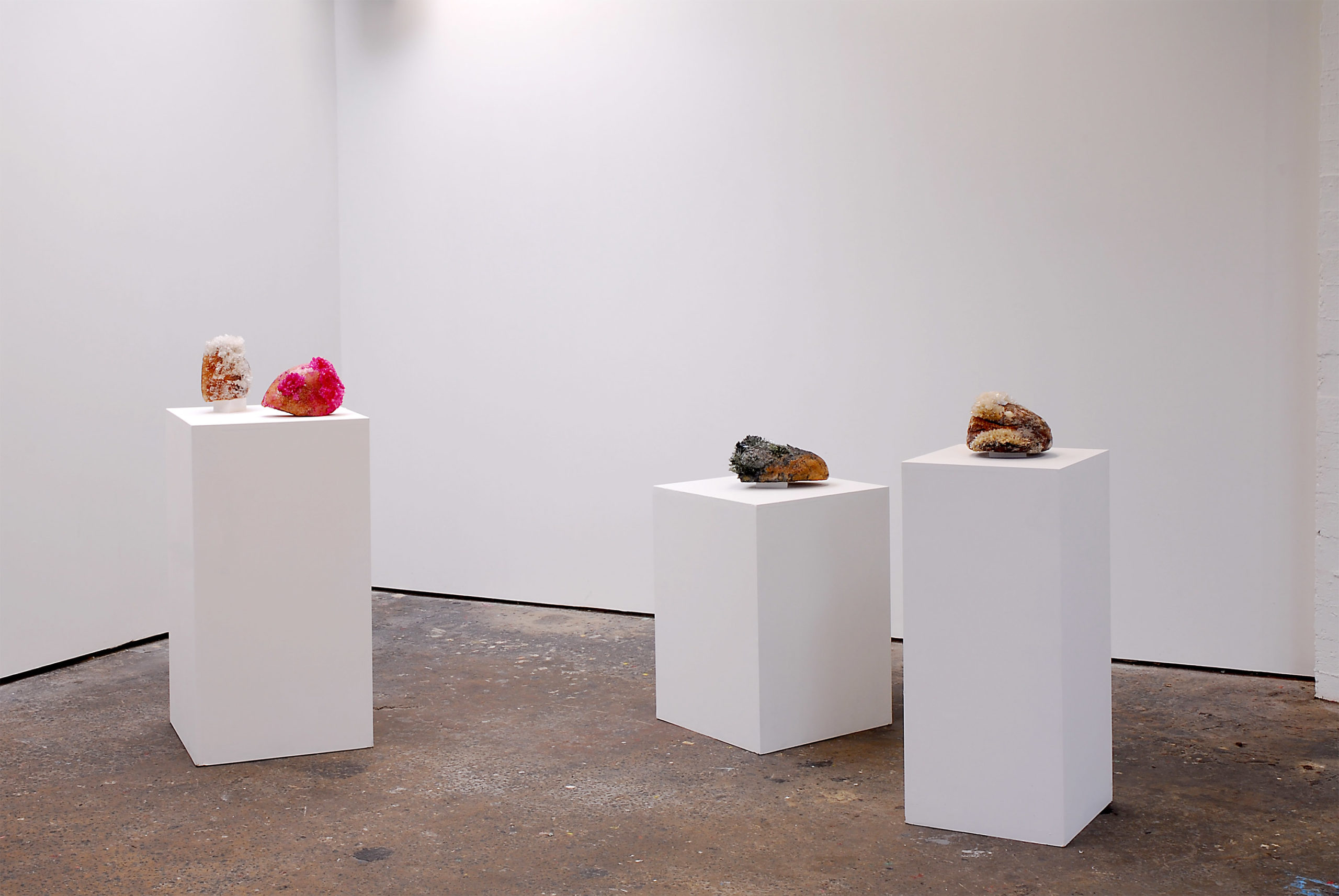
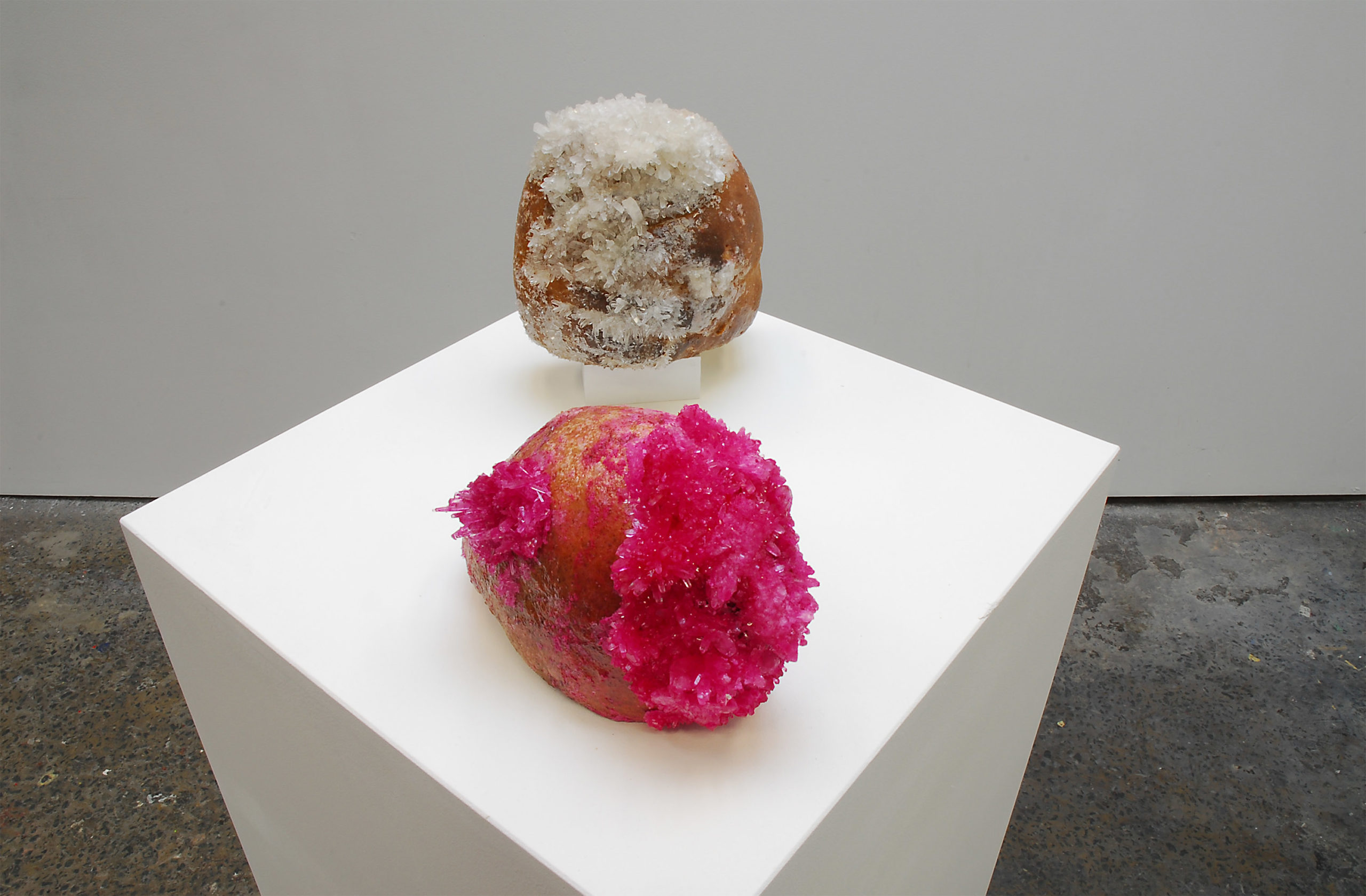
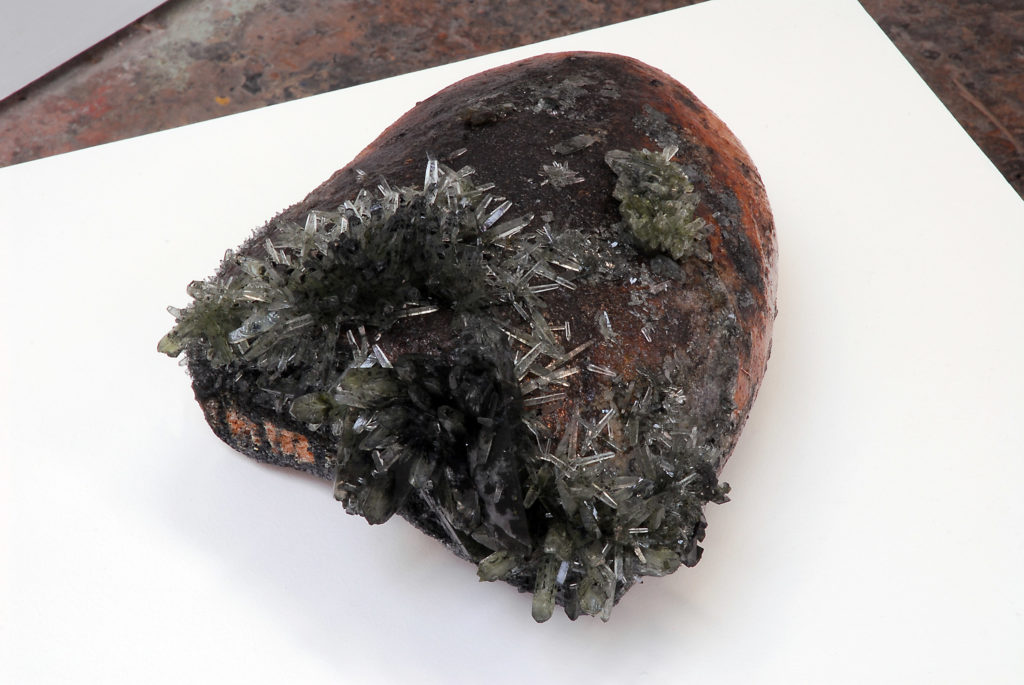
Your Love Is Like A Chunk of Gold is a series of bread with crystal growth. The work is a juxtaposition of the real, the supernatural and science fiction.
The bread is a familiar item, a comfort food; the spiky crystal (instead of mold) growth made it strange and treacherous —The bread with crystal growth becomes an oxymoron object of familiarity and strangeness, comfort and pain similar to experiences of love and romance.
“Nothing could be more familiar than love. Nothing else eludes us so completely.” Jeanette Winterson
My work addresses the physical and metaphysical aspects of common objects and occurrences and in doing so, find poetic, sublime qualities that are in our ordinary existence. I observe two interior spaces —the domestic interior we physically inhabit and the interior space within us that is our spiritual, emotional and imaginative world— and how these two realms both reflect and have an effect on each other. I create visual representations of the eclipse of these two spaces.
My purpose is to examine the depths of ordinary existence and uncover the multi- faceted, multi-layered, multiple universes beyond the simplistic planes of realism and delusion. In giving consideration to objects or occurrences beyond their useful functions or mundane appearance, we cause awareness, sharpening our insights to see what is before us in each present moment —we experience the present tense.
Through observation, we raise consciousness in what we believe as reality, but really, is an illusion formed by our perceptions. So how do we negotiate the malleable quality of the physical dimension? How do we move through this world of shadows with awareness of its quality, lest we be consumed by the temporal? How can we change our perspective in order to change our experience? My work examines perception and experiential realms that are within and beyond the notion of logic.
Sookoon Ang
Sookoon Ang
Born 1977 in Singapore.
Lives and works in Paris.
Vernissage Jeudi 21 Mars 2013
Rectangle, Bruxelles
www.philippedurand.fr
www.laurentgodin.com

PRESS RELEASE
Melanie Bonajo vit et travaille à Amsterdam / Berlin. Son travail a été présenté dans des institutions artistiques internationales, telles que De Appel Arts Center / Amsterdam, Institut Neérlandais / Paris, Musée d’Art Moderne / Ljubljana, Kohun National Museum of Contemporary Art / Séoul, Stedelijk / Amsterdam, PPOW Galerie / Nouveau York, SMBA / Amsterdam, Programm, Berlin, Museum of Modern Art / Arnhem et mousse / Amsterdam.
En 2008, elle a étudié les sciences religieuses; mysticisme et l’ésotérisme occidental à l’UVA. En 2012, elle a lancé le Collectif international GÉNITALE qui se concentre sur des sujets autour de la participation, de l’égalité, de notre environnement et de la politique au-delà de la polarité.
Letter to the Cosmos,
I am interested in the paradoxes inherent in our future-based ideas of comfort and I explore the areas related to progress that remove from the individual a sense of belonging. Captivated by the spiritual emptiness of my generation, I examine people’s shifting relationship with nature and their connections to larger surroundings. I try to understand existential questions by looking at our domestic situation, idea’s around classification, concepts of home, attitudes towards value and how our technological advances and commodity-based pleasures increase feelings of alienation within the individual. Through my performances, photographs, videos and installations I explore the consequences of a mechanical and consumer-based society on our collective consciousness. I oppose the decline in human values and the loss of connection amongst people who, are no longer rooted in the unified outlook of tradition, religious or spiritual; but see the world through the eyes of a crass materialism, scientism, and positivism. I question the role and importance of reason in human life, its connection to feeling and the human race’s general view of itself in relation to the physical universe.
Spirit
I am interested in the desacralization processes applied by modern science and the consequences which flow out of these secular principles: our loss of place in a giant, cold and disconnected cosmos. I focus on themes of detachment and loneliness of the Western individual who lives his / her life separated from nature and the senses, disconnected from a memory of something wild and ancient, buried deep within ourselves.
The concept of God interests me alongside traces within historical development of those religious traditions which have rejected a world view based on the primacy of pure rationality or doctrinal faith, emphasizing instead the importance of inner enlightenment or gnosis: a revelatory experience which was typically believed to entail an encounter with one’s true self as well as with the ground of being, God.
Nature
Sensitive to contemporary environmental concerns, I address the importance of a change in attitude towards the natural. A sensitive awareness of something bigger than ourselves is an important presence that has vanished from our daily consciousness. Through publications and by organizing participations, happenings and music, I try to create a less commercial spirit of togetherness. I attempt to offer new meaning and regain the loss of connection people have to each other, their surroundings and themselves.
I question our myth of progress by discussing our shifting relationship to nature. The situation in which we find ourselves today is unique regarding the magnitude and rate of growth of the human enterprise. We are destroying our natural environment at a constantly increasing pace, and in doing so we are undermining the preconditions of our own existence. In this regard, humans act irrationally. Our greed and increased material benefits, benefits that may well exceed the human population’s vital requirements, creates huge problems for the other inhabitants on this spaceship called Earth*.(*Buckminister Fuller) My concerns for and attraction to the natural world is a direct consequence of growing up in a cultivated place like the Netherlands, where development has impeded nature of its path. Growing up in a country where every tree has been planted by human hands, my idea of nature has always been encapsulated in some sort of exotic dream, far away and unreachable. My ideas about nature are surrounded by a fictional dream world and are influenced by Disney‘s holistic views on the natural world. Through this fictional space an opening which pinpoints towards similarities instead of opposites can be experienced.
Process
The construction of every project is a creative, nonlinear process. It is a dynamic dialogue with my physical and social environment. It is about a translation of an intention in > form, image, arrangements or sound to create an awareness. But most of all to project a kind of feeling, something with an emotional connection and resonance beyond just mental processes. I favor inconsistent elements in stories to address the relativity of our perception. They are small commentaries on the instability of the ideas and ideals that shape our way of life. I am moving with my work and subjects toward a more comprehensive knowledge of the connections between spiritual and biological life.
I wish to draw attention to one of the most immediate approaches to the world of inner experience and erase the rigid dichotomy between science and mysticism. By re-arranging various methodologies inspired by anthropology, nature, consumer culture, and the mundane.
I put established norms of moral, spiritual and social order on trial. I am searching for the purest and clearest depiction of processes and change. Through humor and the absurd I touch upon the borders of our belief systems and search for an attitude that encourages new perspectives towards consciousness, value, the structural and ethical questions of ownership, the body, each other, nature and economic approaches.
For example ‘86 details of Paradise’ looks into value, the market and the details of an alternative economic structure by addressing the aspect of giving material goods away without explicit agreement for immediate or future rewards as a substitute for market or trade economy. The installation ‘C-meter Prototype 01’ is a device, developed and placed within a pyramid like structure to reveal how our unperceptive sensory state influences our mental understanding of our environment.‘The herstories of the social naked body’ investigates how particular artistic, social and political issues of the general social body intertwine with the ideology of nudism. Definitions of male and female are dissolved as they appear not to exist outside their social construct.
Culture
I am interested in how people organize themselves through their cultures, especially traditional ones. To understand these cultural processes I have travelled a great deal to spend time with various indigenous people. I learned from their ways of being, their connection with each other, their spirit world and the earth. The unifying notion among all these cultures is that nature is a sensitive ecological system of which humans are part and must understand their place. The insignificance of human traces that are revealed when human construction and endeavors has ceased but nature continuous its work are an important aspect of my work. Researching and trying to understand the edge of belief systems and its parallels, I have visited rare places on this planet who are still on the bridge of time. They linger between traditional and global culture, are still connected to the past, but at the same time presented with the future to come, such as Amazonia, East-Greenland, Burma, India, Australian aboriginal communities and Tibet. In these regions traditional wisdom, life-style and craft are still practiced. These places have become scarse and hard to find on this planet. Mostly they exist, because they are difficult to reach, not of any economic interest for Western dominating culture, are involved in some extreme totalitarian regime or are occupied. Because of my interest in parallel believe systems and experiencing so many different ways that people relate to the basic concerns of human life, each other and the environment, the idea of looking at reality as a fixed concept has become completely absurd to me. Reality is something unattainable and distant, but which can be experienced and understood, perhaps some moments, when looking through your eyelashes.
In the Modern age, contemporary religions and science have failed to provide many people with a religious outlook that can give them a sense of meaning and connection. It seems that only modern human beings have come to a point where they no longer know why they exist. Thinking in terms of the separateness of mind and body has shown serious effect that constricts freedom in human life and is perhaps destructive to all life on the planet. Ecologists have suggested that our environment is suffering from the notion that body (in this case, the body of the earth) is not of central importance. They argue that the portion of the Western philosophical tradition that favors reductionism is in part responsible for the physical abuse that we have heaped on our planet and its plants and animals. We will see in the near future if the earth does belongs to humans, or humans still belong to the earth.
The object
I am interested in things without status and which carry a certain invisibility around them. Those things one cannot really sell. Domestic objects affect me through their modesty.
I see our domestic landscape as a reflection of our inner architecture. It also serves as a good starting point for cultural change. In my installations I attempt to make a connection between the lowest and the highs principles. For example, by positioning household objects in geometric patterns referring to cosmic maps I try to link simplicity and complexity. A recognition can take place in ordinary dignity; the accidentally miraculous. Or it can be a meditation on what happens when nothing happens. The protagonists of our everyday life: domestic materials which are simple, everyday things become indicators of a mental archaeology that connects the mundane with the metaphysical.
Excavating the site can engage the viewer on a wandering journey that can unravel a reservoir of possible meanings. Through these processes of transformation I try to point out the interconnectedness and significance of all that is, especially in relation to commodity items. Once an object is made, someone has responsibly over its existence.
Why we clutter ourselves with so much stuff is a huge enigma for me. Do we need to keep filling our emptiness with objects? Various performative positions may suggest a correspondence to the mental homelessness that we as capitalists experience as we rely more and more on objects to construct our sense of identity, place and belonging, something that in turn makes us more dependent on our material attachment to the system. What would happen if the social masks of necessity were removed?
The Body
“To think of touch epistemologically requires that we put the sentient body at the center of our knowing. While New Age philosophers, massage therapists, dancers, and yoga practitioners (among others) have long recognized the centrality of the sensuous body in ways of knowing, intellectuals and other so-called sophisticated thinkers have often ignored or undervalued the body as a source of knowledge.” (Peggy Phelan).
Because shifting perception is not merely a question of turning the tables and changing language, I have recently begun to focus more on art as a participatory act. In order to eliminate the passive gaze I needed to create a statement that would allow a physical entrance.
I needed to utilize shared collective energy in order to form transformative acts. A lot of fieldwork is still ahead of us in the dualistic view of the mind/body connection. Distinguishing binaries such as spirit/matter and male activity/intellect/mind/spirit to female passivity/the body/senses/feeling, I have worked to solidify characteristics and categorizations. By organizing participations I try to unblock those conditions from their social cement and try to reverse archetypes perceived as weakness to strengths in both sexes.
For example giving without taking (archetypically representing motherhood, love without judgment) as a modest approach towards a new economy where welfare can be distributed more equally. By giving collectively guidance and voice to strong emotions such as; sadness or grief one can perhaps heal a part of him / herself and become a more whole person, who has more peace and space for others.
Equalism
The objectification of any living thing decreases human dignity and the potential of our inner quality. Objectification creates holes in the well-being of the other. We need to put this in perspective regarding the objectification of women, animals, the other, but also as it relates to our thoughts, feelings, the elements and our planet.
The urgency of our time requires us to ask for active negotiations and re-definitions of our conceptual boundaries that have been based on polarity. In order to talk about the future shape of technology, value, recourses and the extinction of many animals who we all grew up with, we need to redirect our emphasis on the symbolic, the metaphor and the story through personal experience over the objective analysis.
The female body is still used to sell all kinds of unnecessary goods. Furthermore, what do the object for sale have to do with a woman or her body? I can hear you say, “Do we have to talk about feminism again? Yes, but for now I will focus on a collective I initiated called GENITAL INTERNATIONAL.
GENITAL INTERNATIONAL mocks corporate identity by marketing the unmarketable. It shows how the much undervalued bodies of both women and men can give rise to all (so-called) higher intellectual activity, and how sharing the processes of a new symbol creation can build a sense of community.
GENITAL INTERNATIONAL diverts the attention from the artist as an individual genius to anonymous creators and change art market sales into a system of donation and service. Visual-based contemporary art puts itself on a pedestal and often excludes other practices of art from the scene. This is a platform where academics, scientists, poets, writers, philosophers, musicians, believers, dancers, cooks and more meet in dialogue with each other in order to create a work of art and together work on the cultural frontiers This will take place in the shape in workshops, participations and publications.
oɾɐuoq ǝıuɐlǝɯ
Melanie Bonajo
Born 1978 in Netherlands.
Lives and works in Amsterdam.